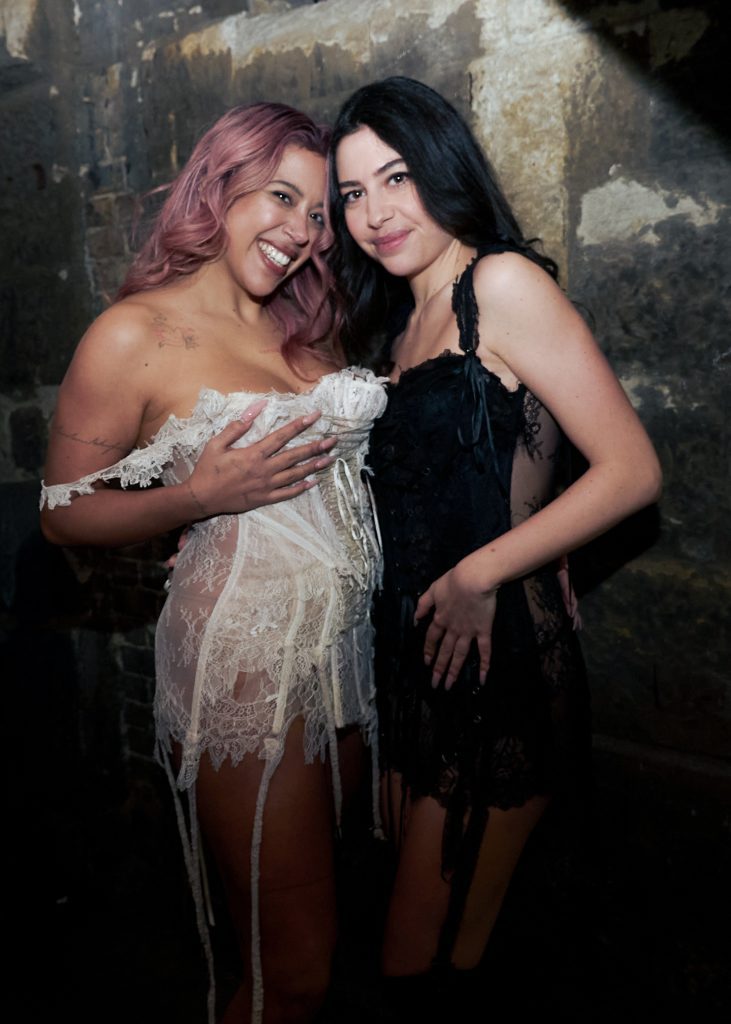
At London Fashion Week, hair often plays a supporting role. For Elisa Trombatore the designer behind Dreaming Eli, it’s an essential part of look.
From the very first concept to the final backstage moments, hair is considered not as an accessory, but as a key element in shaping the identity of the models on the runway.
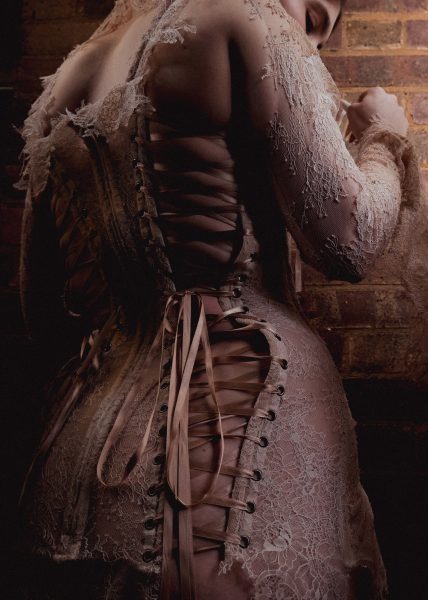
“We start with the world, the dream we want to share.”
Elisa tells us that the conversation around hair begins far earlier than most would expect.
“When we start preparing a collection, we begin by defining the universe we want to build,” they explain. “At that stage, we’re already thinking about the woman — her attitude, her character, her mood.”
Hair, alongside casting and make-up, becomes part of that early vision. Even before garments are fully realised, there is already an instinct for how the hair will reflect the identity of the collection.
As the designs take shape, those initial ideas evolve through close collaboration with the hairstylist – refining the look so it fully supports the story on the runway.
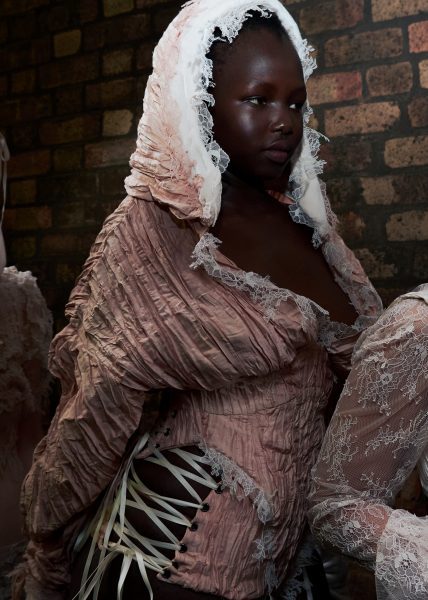
Choosing the right collaborator
Selecting a hairstylist is less about technical ability alone, and more about creative alignment.
“The first conversation is everything,” says Elisa. “We’re looking for someone who feels on the same wavelength, someone who connects with the world we’re building.”
It’s this shared sensibility that allows ideas to move beyond execution and into true collaboration. Seeking creatives who are open, experimental and unafraid to push boundaries.
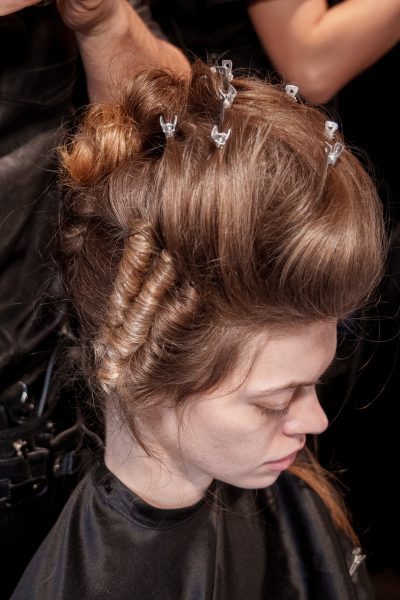
“Fashion week is a moment to take risks.”
Fearlessness is a non-negotiable.
A standout lead stylist is someone “creatively brilliant, a little unconventional, and not afraid to challenge what’s expected.”
That openness often leads to shifts in direction (sometimes at the very last minute).
“Sometimes a stylist brings a new idea that changes everything — and we’re always open to that.”
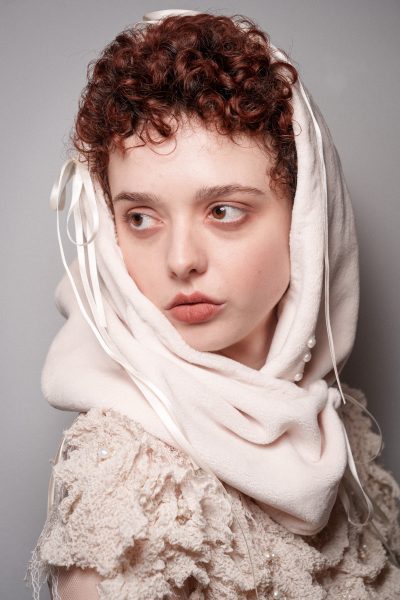
Collaboration over control
While Dreaming Eli often begins with a strong vision, Elisa leaves space for interpretation.
“The hairstylist’s perspective can add new layers and nuance,” she explains.
It’s this balance between direction and creative freedom that gives the final look its depth; transforming an idea into something more layered, more human, and more real.
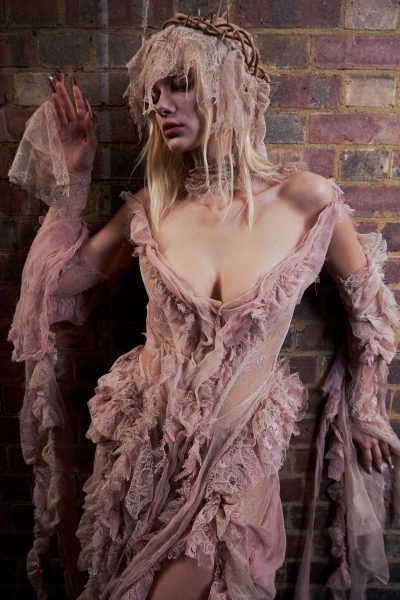
“Nothing is accidental.”
At the heart of every Dreaming Eli collection is a deep exploration of womanhood.
Each season presents a different perspective – shaped by emotion, experience and contradiction. The women are complex, and every detail reflects that.
“This comes through in everything. The garments, the styling, the hair, even the way the models move.”
Understanding this narrative is essential for any hairstylist working with the brand. The hair isn’t just there to complete the look, it’s there to communicate character.
Trust, built over time
Creative trust, doesn’t happen instantly, it evolves explains Elisa.
“It’s like a dance. You learn each other’s rhythm.”
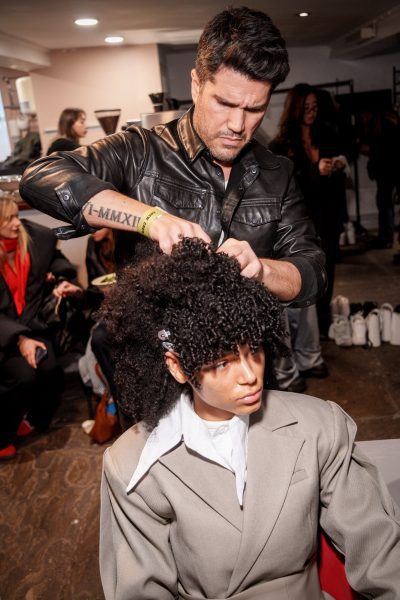
Long-term collaborator Danilo Giangreco is a clear example of this relationship. Over time, their shared understanding has developed into an instinctive creative dialogue.
“This season, the hair felt like it reached another level — there was a real understanding of the world we wanted to create.”
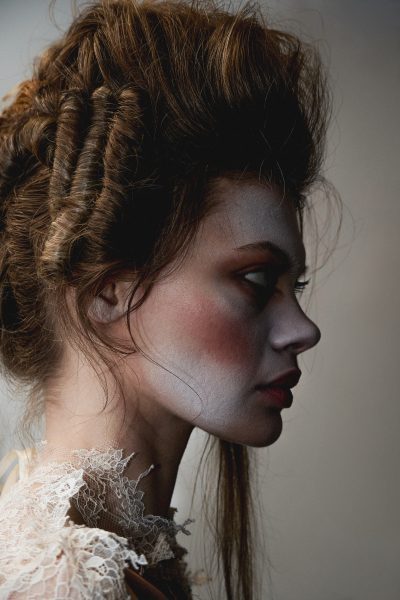
Backstage: where it all comes together
Behind the scenes, Fashion Week is fast-paced and often unpredictable.
From last-minute casting changes to evolving concepts, the hair team must be adaptable and able to translate a vision across different textures, lengths and realities.
But beyond skill, energy matters.
“A calm, positive atmosphere makes a huge difference,” Elisa says “Even small moments of humour can completely shift the mood.”
The balance between hair and fashion
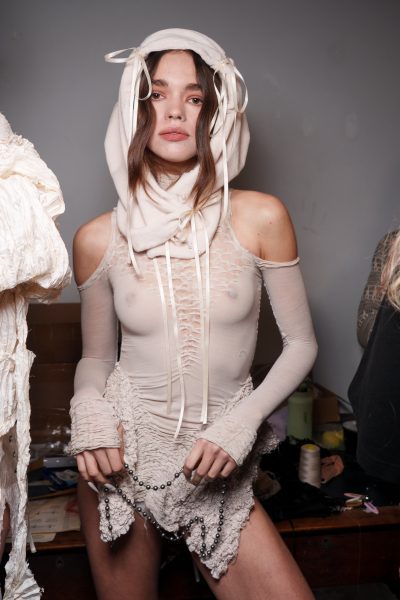
One of the biggest challenges? Getting the balance right.
“The hair should never overpower the clothes, but it shouldn’t feel secondary either.”
For Dreaming Eli, success lies in harmony, where hair enhances the story without competing with it.
Hair as a storytelling tool
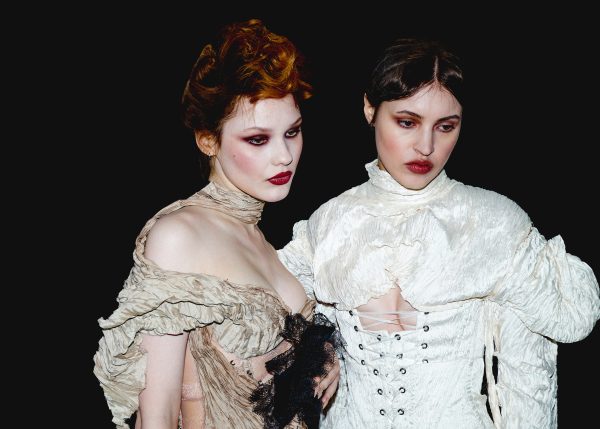
While many designers still approach hair conservatively, Elisa sees it as central to the narrative.
“It adds depth, emotion and helps define the characters on the runway.”
As more designers begin to embrace this approach, hair is slowly stepping into a more prominent creative role but for Dreaming Eli, it has always been part of the DNA.
“When hair becomes part of the story, fashion moves closer to art.”